Archives
- 2026-11
- 2026-10
- 2026-09
- 2026-08
- 2026-07
- 2026-06
- 2026-05
- 2026-04
- 2026-03
- 2026-02
- 2026-01
- 2025-12
- 2025-11
- 2025-10
- 2025-09
- 2025-03
- 2025-02
- 2025-01
- 2024-12
- 2024-11
- 2024-10
- 2024-09
- 2024-08
- 2024-07
- 2024-06
- 2024-05
- 2024-04
- 2024-03
- 2024-02
- 2024-01
- 2023-12
- 2023-11
- 2023-10
- 2023-09
- 2023-08
- 2023-07
- 2023-06
- 2023-05
- 2023-04
- 2023-03
- 2023-02
- 2023-01
- 2022-12
- 2022-11
- 2022-10
- 2022-09
- 2022-08
- 2022-07
- 2022-06
- 2022-05
- 2022-04
- 2022-03
- 2022-02
- 2022-01
The following are the supplementary data related
2024-07-19
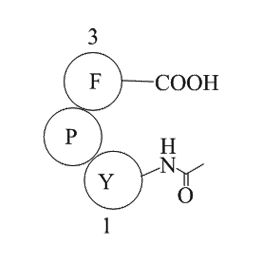
The following are the supplementary data related to this article. Competing interest Ethics approval and consent to participate Authors' contributions Acknowledgements The authors thank Dr. D. R. Kaplan for kind advice and materials derived from NB primary cell lines, Dr. F. D. Miller f
br Conflicts of interest br Contributors br Introduction
2024-07-18
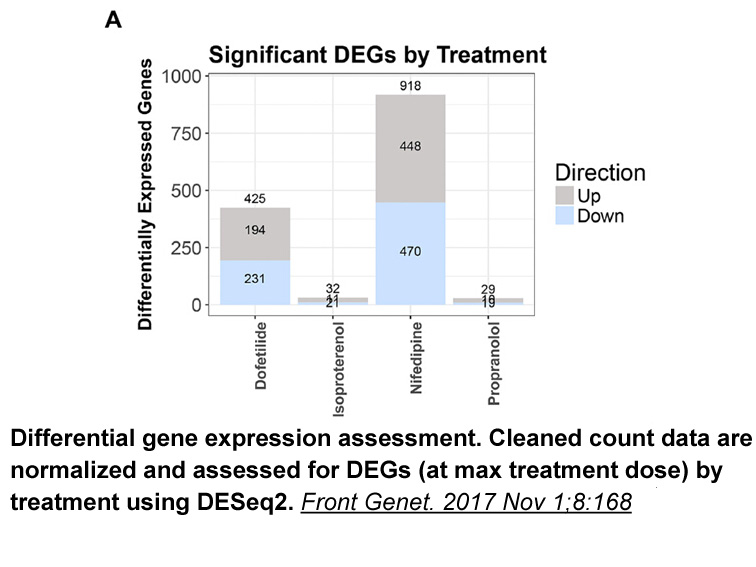
Conflicts of interest Contributors Introduction Lipid oxidation and enzymatic activities are some of the most significant problems in the food industry. These reactions lead to changes in chemical composition which in turn reduce the quality and shelf life of food products. Most of the anti
br Introduction AMPA receptors AMPARs mediate the majority o
2024-07-18
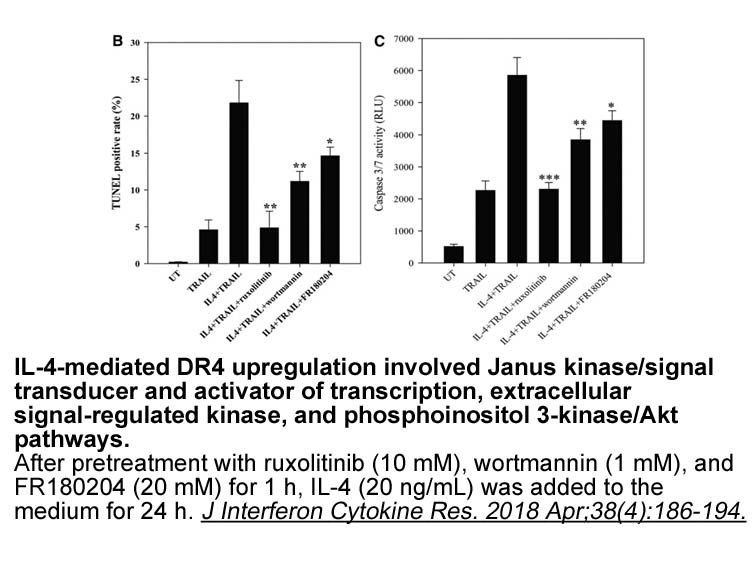
Introduction AMPA receptors (AMPARs) mediate the majority of fast excitatory postsynaptic currents (EPSCs) in the rosmarinic acid receptor (Jonas, 2000). The brevity of EPSCs and rapid deactivation of AMPARs depend upon a short lifetime of synaptically released glutamate, estimated to be about 1
Constitutive tyrosine kinase activity of BCR ABL fusion
2024-07-18
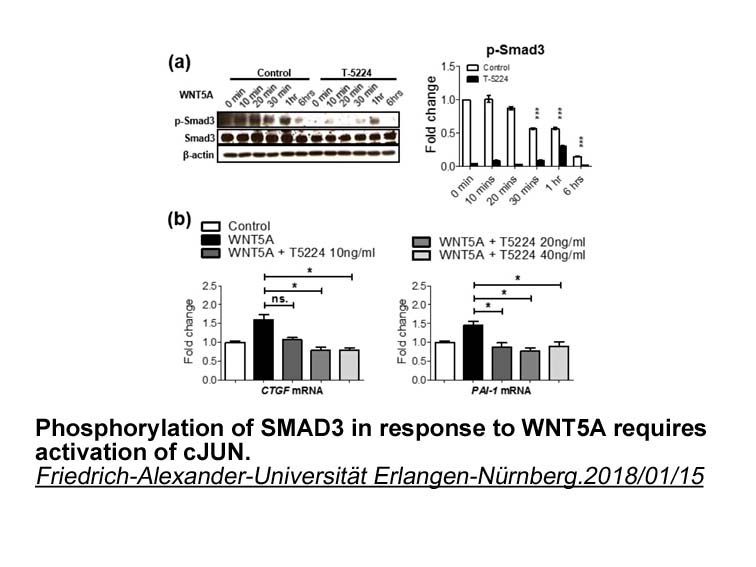
Constitutive tyrosine kinase activity of BCR/ABL fusion genes causes uncontrolled cell growth and is also thought to be responsible for a variety of changes in normal cellular functions like differentiation, adhesion, migration and apoptotic response in CML. Therefore it is important to know the exp
br Conclusions br Funding br Acknowledgements and
2024-07-18
Conclusions Funding Acknowledgements and Disclosures We would like to thank veterinarian Angelina Williams and assistants Justin Courson, Ashutosh Jnawali, Mythri Puella, Santoshi Ramachandran, and Zhihui She for support during dissections. We also thank Drs. Vallabh Das, Deborah Otteson an
Changes in actin microfilaments are mediated by changes in e
2024-07-18

Changes in Trehalose microfilaments are mediated by changes in extracellular matrix, mechanical stimulation or growth factors intracellular signaling. We observed significant changes in a number of intracellular signaling pathways associated with changes in actin dynamics during hMSCs differentiatio
Our results showed suppressed autophagy in GECs under
2024-07-17
Our results showed suppressed autophagy in GECs under HAGG stimulation. Recently, people have paid more attentions on the roles of autophagy in lupus and tried to use autophagy regulators for therapy. Rapamycin could prevent the development of nephritis [49] and attenuate the established nephritis [
Illustrated in is the protocol we
2024-07-17
Illustrated in is the protocol we applied for the screens of novel furoic acids as ACL inhibitors. We constructed our furan carboxylate library that contained 1446 2-furoic oxytocin receptor derivatives and 501 3-furoic acid derivatives by performing substructural searches of the ZINC database. We l
The LOX hydroxide metabolites are converted to
2024-07-17
The 15-LOX hydroxide metabolites are converted to secondary lipid mediators such as lipoxin A4 from 15-HETE and protectin D1/resolvin D1 from 17-HDoHE [45] (Fig. S3). Importantly, all of these secondary lipid mediators have anti-inflammatory and pro-resolving properties [46], [47], [48]. Lipoxin A4
br Introduction O Dowd et
2024-07-17
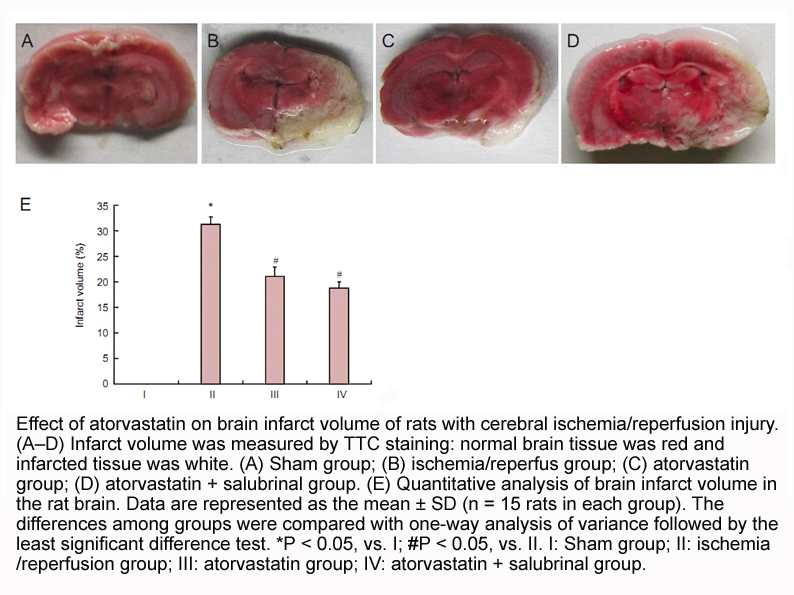
Introduction O’Dowd et al. identified a gene very similar to angiotensin type-1 receptor in 1993 (O’Dowd et al., 1993). The specific selective ligand of this receptor called APJ receptor was determined by Tatemoto et al. in 1998 as apelin (Tatemoto et al., 1998). The high expression of apelin an
There are several AP binding sites
2024-07-17
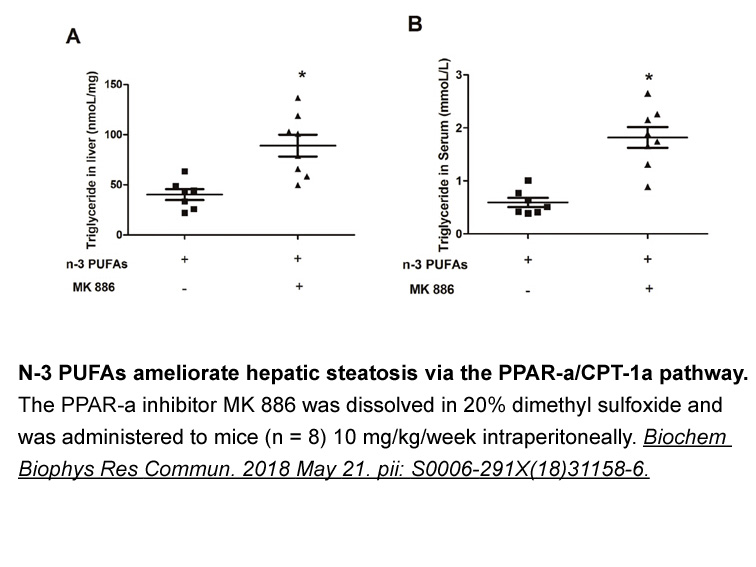
There are several AP-1 BMS354825 in the sequence of TIMP-1 promoter [18,19]. EBV could up-regulate TIMP-1 expression by binding to the AP-1 site in the TIMP-1 promoter [18]. IL-32, a newly multi-function cytokine, could activate AP-1, NF-κβ, p38MAPK signal pathways, and induce cytokine expressions,
Over expression of the inflammatory cytokines MMPs and COX a
2024-07-17
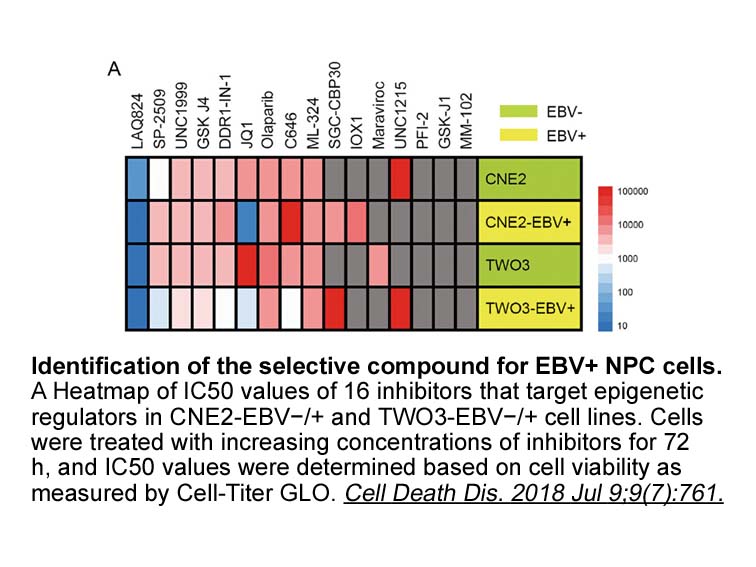
Over expression of the inflammatory cytokines, MMPs and COX-2 act as an important inducer of chronic inflammation. COX-2 catalyzes the biosynthesis of prostaglandins (PGs), and induced expression was observed in Pyr3 sale stimulated with pro-inflammatory cytokines or bacterial lipopolysaccharide (K
Ultracentrifugation of AD brain was reported to remove of
2024-07-17
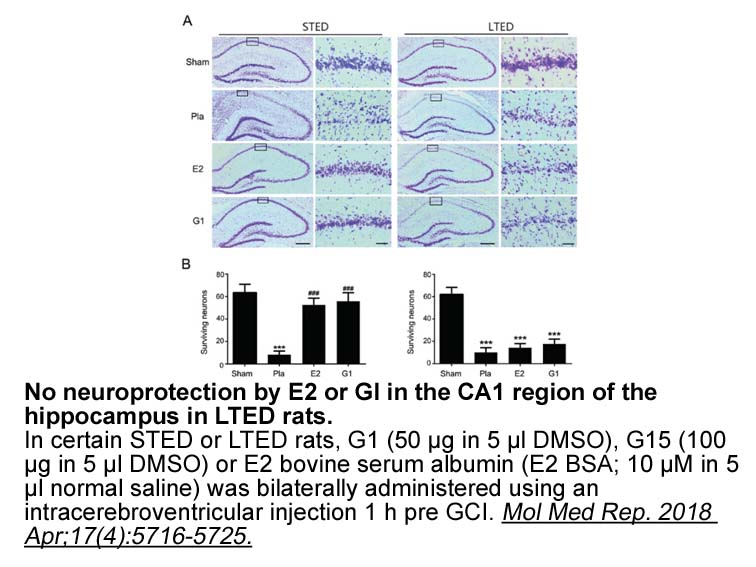
Ultracentrifugation of AD Cryptochlorogenic acid was reported to remove >99.95% of Aβ, while only reducing seeding capacity by 70% (Langer et al., 2011). This suggests that the most potent seeding Aβ species are relatively small soluble oligomers rather than larger insoluble fibrils. It was also no
br AHR mediates TCDD toxicity
2024-07-16
AHR mediates TCDD toxicity and wasting syndrome TCDD causes numerous toxicities in laboratory animals, including teratogenesis, hepatic steatosis, thymic atrophy, immune dysfunction and a lethal wasting syndrome [17]. The dose-dependent sensitivity to TCDD-induced toxicities varies widely among l
br Parkinson s Disease and the immune system
2024-07-16

Parkinson’s Disease and the immune system Parkinson’s Disease (PD) is the second most common neurodegenerative disorder, after Alzheimer’s, which affects 10 million people globally and is characterized by rigidity, bradykinesia, tremors, and gait instability (O’sullivan et al., 2007). The patholo
8190 records 156/546 page Previous Next First page 上5页 156157158159160 下5页 Last page